

Serbia is a country with a rich history, diverse cultural heritage, and a blend of natural beauty and urban vibrancy. It continues to evolve, balancing its traditional roots with contemporary development.
- New Year's Day Нова година
- New Year Holiday Нова година
- Orthodox Christmas Day Православни Божић
- Statehood Day Дан државности
- Statehood Day Holiday Дан државности
- Good Friday Велики петак
- Orthodox Easter Sunday Васкрс
- Orthodox Easter Monday Васкрсни понедељак
- Labour Day Празник рада
- Labour Day Holiday Празник рада
- Armistice Day Дан примирја
- New Year's Day Нова година
- New Year Holiday Нова година
- Orthodox Christmas Day Православни Божић 🔥 Long weekend
- Statehood Day Дан државности
- Statehood Day Holiday Дан државности
- Good Friday Veliki petak
- Labour Day Празник рада
- Labour Day Holiday Празник рада
- Orthodox Easter Sunday Vaskrs
- Orthodox Easter Monday Vaskrs
- Armistice Day Дан примирја 🔥 Long weekend
Frequently Asked Questions
-
Serbia has 11 official public holidays in 2026.
-
Serbia has 11 official public holidays in 2027.
-
The next public holiday in Serbia is Armistice Day on November 11, 2026 (in 48 days).
-
In 2027, Serbia has 2 public holidays where taking just one extra day off creates a long weekend.
-
In 2026, the following public holidays fall on a Saturday or Sunday (the weekend in Serbia): Statehood Day, Orthodox Easter Sunday, Labour Day Holiday.
-
In 2027, the following public holidays fall on a Saturday or Sunday (the weekend in Serbia): New Year Holiday, Labour Day, Labour Day Holiday, Orthodox Easter Sunday.
List of National and Public Holidays in Serbia for the year 2018
- New Year’s Day – Monday, 1 January 2024
- New Year Holiday – Tuesday, 2 January 2024
- Orthodox Christmas Day – Sunday, 7 January 2024
- National Day – Thursday, 15 February 2024
- National Day Holiday – Friday, 16 February 2024
- May Day – Wednesday, 1 May 2024
- May Day Holiday – Thursday, 2 May 2024
- Orthodox Good Friday – Friday, 3 May 2024
- Orthodox Easter Monday – Monday, 6 May 2024
- Armistice Day – Monday, 11 November 2024
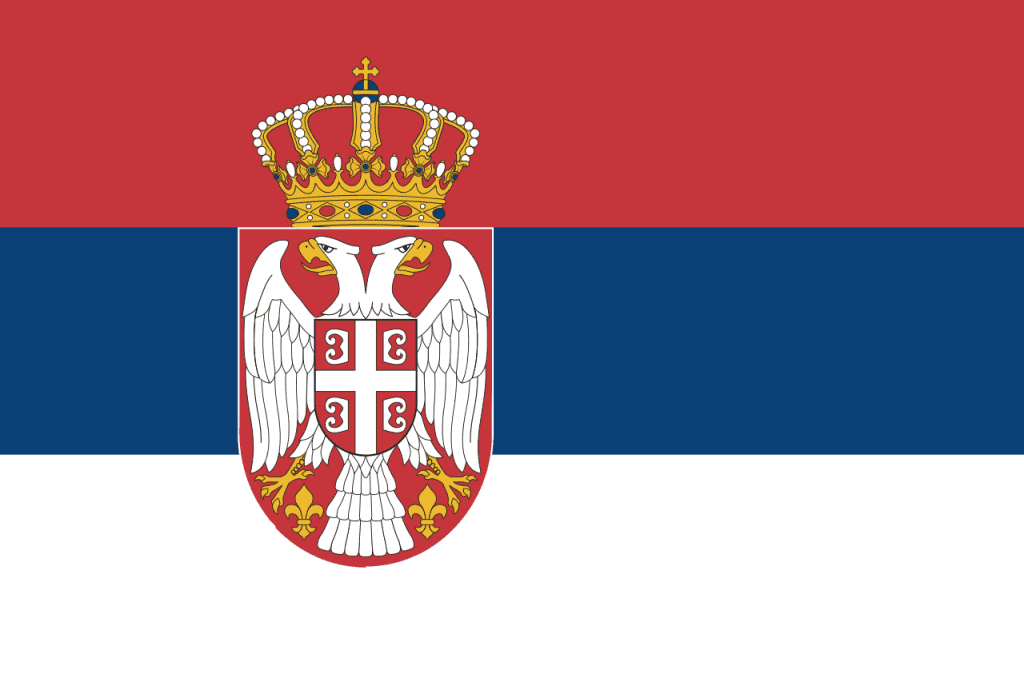
History
- Early History: Inhabited since prehistoric times, Serbia’s history is marked by various tribes and empires, including the Roman, Byzantine, Ottoman, and Austro-Hungarian.
- Medieval Kingdom: Flourished as a medieval kingdom under the Nemanjić dynasty, noted for its cultural and religious achievements.
- Ottoman Rule and Independence: Fell under Ottoman rule in the 15th century. Gained independence in the 19th century, leading to the formation of the modern Serbian state.
- Yugoslavia and After: Part of the Kingdom of Yugoslavia and later Socialist Federal Republic of Yugoslavia. Following the breakup of Yugoslavia, Serbia became an independent republic in 2006.
Geography
- Location and Landscape: Located in the Balkans and Central Europe, Serbia is landlocked, bordered by Hungary, Romania, Bulgaria, North Macedonia, Croatia, Bosnia and Herzegovina, and Montenegro.
- Diverse Terrain: Features a mix of plains in the north (Vojvodina region), and mountains and valleys in the south. The Danube River is a significant geographical feature.
Culture
- Rich Heritage: A blend of Eastern and Western influences, Serbia’s culture is reflected in its literature, music, dance, and art.
- Traditions and Festivals: Known for its traditional music and dance, particularly folklore. Hosts numerous cultural events, including the EXIT music festival and the Guča Trumpet Festival.
- Cuisine: Serbian cuisine is diverse, with influences from Mediterranean, Hungarian, Turkish, and Austrian cuisines. Dishes like ćevapi, sarma, and ajvar are popular.
Economy
- Post-Industrial Economy: Transitioned from an industrial-based economy to a more service-oriented one. Major sectors include energy, automotive, machinery, and agriculture.
- Challenges: Economic challenges include unemployment, infrastructural development, and attracting foreign investment.
Society
- Demographics: Predominantly ethnic Serbs, with significant Hungarian, Roma, and other minority communities.
- Education and Healthcare: Has a well-developed education system and universal healthcare, with ongoing efforts to improve quality and access.
Environment
- Natural Beauty: Home to national parks like Đerdap and Tara, known for their scenic beauty and biodiversity.
- Environmental Issues: Challenges include air pollution, water quality, and conservation of natural habitats.
Arts and Literature
- Literary Tradition: Rich literary heritage with notable authors like Ivo Andrić (Nobel Prize winner) and Miloš Crnjanski.
- Visual Arts: Strong tradition in painting and sculpture, with modern and contemporary art growing in prominence.
Sports
- Popular Sports: A strong sporting tradition, particularly in basketball, football, and tennis. Serbia has produced renowned athletes like Novak Djokovic.
International Relations
- Global and Regional Role: Active in international diplomacy, particularly in regional Balkan and European affairs.
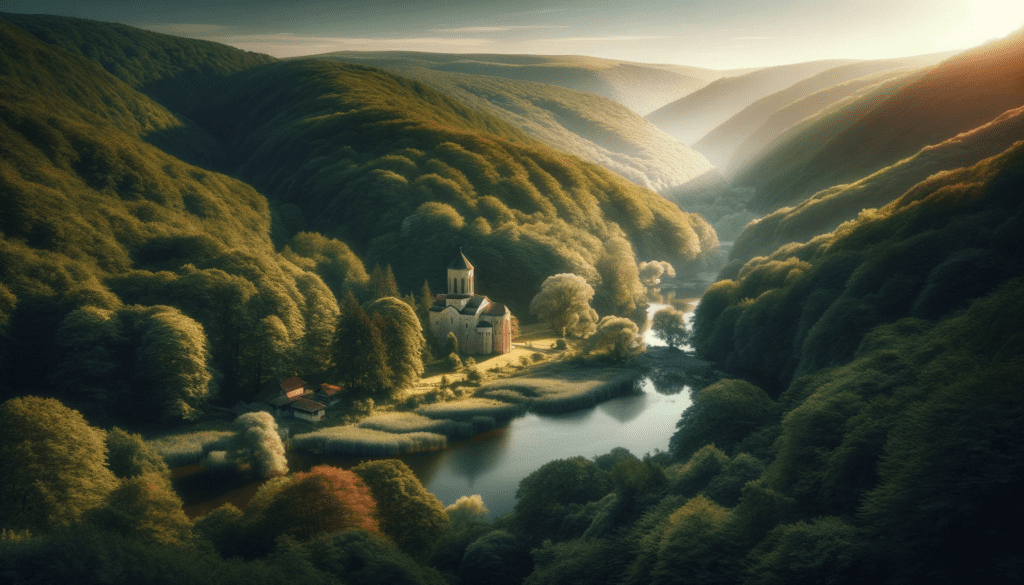
Tourism
- Attractions: Offers a blend of historical sites, vibrant city life, and natural landscapes. Key destinations include Belgrade, Novi Sad, the monasteries of Fruška Gora, and the spas of Vrnjačka Banja.
- Cultural Tourism: Rich in historical and cultural attractions, including medieval fortresses, monasteries, and vibrant cultural festivals.
Challenges and Future Outlook
- Economic and Social Development: Focused on economic growth, social reform, and integration into European structures.
- Preservation of Heritage: Emphasis on preserving cultural and historical heritage while promoting modern cultural expressions.
