
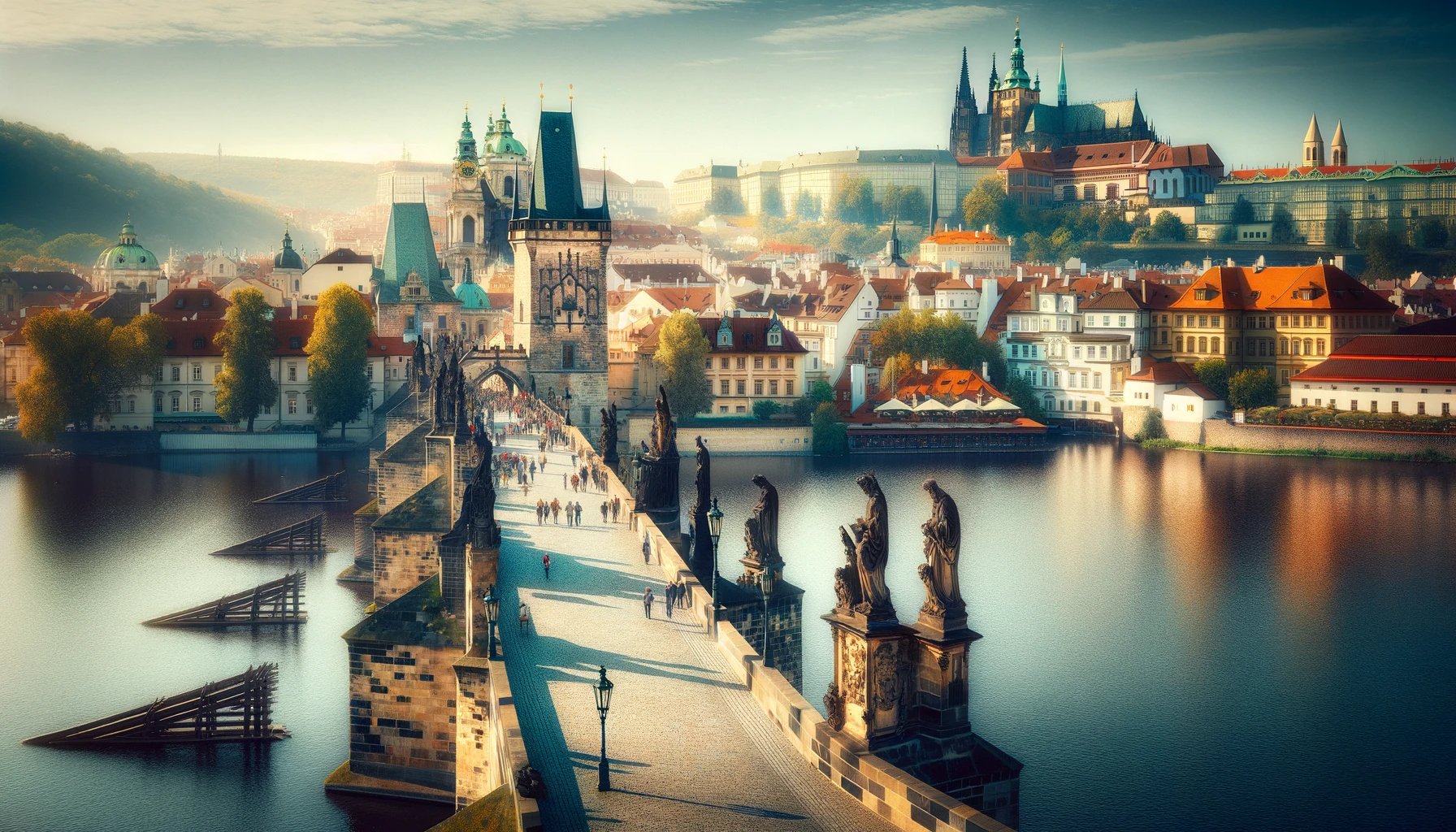
Czech Republic is a country with a fascinating history, diverse landscapes, rich cultural traditions, and a rapidly evolving society. It continues to play a significant role in Europe, balancing its historical legacy with contemporary development.
- New Year's Day Nový rok 🔥 Long weekend
- Good Friday Velký pátek
- Easter Sunday Velikonoční neděle
- Easter Monday Velikonoční pondělí
- Labour Day Svátek práce
- Liberation Day Den vítězství
- Saints Cyril and Methodius Day Den slovanských věrozvěstů
- Jan Hus Day Den upálení mistra Jana Husa
- St. Wenceslas Day Den české státnosti
- Czechoslovak Independence Day Den vzniku samostatného Československa
- Struggle for Freedom and Democracy Day Den boje za svobodu a demokracii 🔥 Long weekend
- Christmas Eve Štědrý den 🔥 Long weekend
- Christmas Day 1. svátek vánoční
- St. Stephen's Day 2. svátek vánoční
- New Year's Day Nový rok
- Good Friday Velký pátek
- Easter Sunday Velikonoční neděle
- Easter Monday Velikonoční pondělí
- Labour Day Svátek práce
- Liberation Day Den vítězství
- Saints Cyril and Methodius Day Den slovanských věrozvěstů
- Jan Hus Day Den upálení mistra Jana Husa 🔥 Long weekend
- St. Wenceslas Day Den české státnosti 🔥 Long weekend
- Czechoslovak Independence Day Den vzniku samostatného Československa 🔥 Long weekend
- Struggle for Freedom and Democracy Day Den boje za svobodu a demokracii
- Christmas Eve Štědrý den
- Christmas Day 1. svátek vánoční
- St. Stephen's Day 2. svátek vánoční
Frequently Asked Questions
-
Czech Republic has 14 official public holidays in 2026.
-
Czech Republic has 14 official public holidays in 2027.
-
The next public holiday in Czech Republic is St. Wenceslas Day on September 28, 2026 (in 21 days).
-
In 2026, Czech Republic has 3 public holidays falling on a Tuesday or Thursday, creating potential long weekend opportunities by taking one extra day off.
-
In 2027, Czech Republic has 3 public holidays falling on a Tuesday or Thursday, creating potential long weekend opportunities by taking one extra day off.
-
In 2026, the following public holidays fall on a Saturday or Sunday: Easter Sunday, Saints Cyril and Methodius Day, St. Stephen's Day.
-
In 2027, the following public holidays fall on a Saturday or Sunday: Easter Sunday, Labour Day, Liberation Day, Christmas Day, St. Stephen's Day.
- New Year’s Day is on Wednesday, January 1st.
- Good Friday is on Friday, April 18th.
- Easter Monday is on Monday, April 21st.
- May Day is on Thursday, May 1st.
- Liberation Day is on Thursday, May 8th.
- St. Cyril and St. Methodius Day is on Saturday, July 5th.
- Jan Hus Day is on Sunday, July 6th.
- Statehood Day is on Sunday, September 28th.
- Independence Day is on Tuesday, October 28th.
- Freedom and Democracy Day is on Monday, November 17th.
- Christmas Eve is on Wednesday, December 24th.
- Christmas Day is on Thursday, December 25th.
- 2nd Day of Christmas is on Friday, December 26th.
This list reflects the major public holidays observed in the Czech Republic.
- Liberation Day: Commemorates the end of World War II.
- St. Cyril and St. Methodius Day: Honors the saints who brought Christianity to the Slavic world.
- Jan Hus Day: Commemorates the religious reformer Jan Hus.
- Statehood Day: Celebrates the founding of the modern Czech state.
- Independence Day: Commemorates the declaration of independence from Austria-Hungary in 1918.
- Freedom and Democracy Day: Celebrates the Velvet Revolution of 1989.
List of National and Public Holidays for the Czech Republic in the year 2024
- New Year’s Day: Wednesday, 1 January 2024
- Good Friday: Friday, 10 April 2024
- Easter Monday: Monday, 13 April 2024
- May Day: Friday, 1 May 2024
- Liberation Day: Friday, 8 May 2024
- St Cyril and St Methodius Day: Sunday, 5 July 2024
- Jan Hus Day: Monday, 6 July 2024
- Statehood Day: Monday, 28 September 2024
- Independence Day: Wednesday, 28 October 2024
- Freedom and Democracy Day: Tuesday, 17 November 2024
- Christmas Eve: Thursday, 24 December 2024
- Christmas Day: Friday, 25 December 2024
- 2nd Day of Christmas: Saturday, 26 December 2024
History
- Ancient Roots: The Czech lands have been settled since the Stone Age. Notable periods include the Great Moravian Empire and the Bohemian Kingdom.
- Habsburg Monarchy: After the Battle of White Mountain in 1620, the Czech lands fell under the Habsburg Monarchy.
- Czechoslovakia: Following World War I, the independent nation of Czechoslovakia was formed in 1918.
- World War II and Communism: Occupied by Nazi Germany during World War II, it then became a communist state in 1948.
- Velvet Revolution and Independence: In 1989, the non-violent Velvet Revolution ended communist rule, leading to the split of Czechoslovakia and the formation of the Czech Republic in 1993.
Geography
- Location: Located in Central Europe, the Czech Republic is landlocked, bordered by Germany, Austria, Slovakia, and Poland.
- Landscape: Characterized by diverse landscapes including the Bohemian Massif, Moravian lowlands, and mountains along its borders.
- Rivers and National Parks: Major rivers include the Vltava and Elbe. Notable natural areas are the Bohemian Switzerland and Šumava National Parks.
Culture
- Rich Heritage: The Czech Republic boasts a rich cultural heritage, with influences from both Western and Eastern Europe.
- Arts and Literature: Home to famous composers like Antonín Dvořák and Bedřich Smetana, and writers such as Franz Kafka and Milan Kundera.
- Folklore and Traditions: Rich in folklore, with traditional music, dances, and crafts. The Czech Republic also has a strong tradition in puppetry and animation.
Nature
- Diverse Ecosystems: From rolling hills and forests to picturesque valleys and rock formations, the Czech landscape offers a variety of natural beauties.
- Protected Areas: Numerous protected areas, including four national parks and many nature reserves, showcase the country’s commitment to preserving its natural heritage.
- Flora and Fauna: Home to a variety of wildlife, including deer, wild boar, and birds of prey, as well as diverse plant species in its forests and meadows.
Economy
- Post-Communist Transformation: Transitioned from a state-controlled economy to a market-driven one after 1989.
- Key Sectors: Strong in manufacturing, particularly automobiles, machinery, and chemicals. Tourism is also a significant sector.
- Challenges and Growth: Faces challenges in economic disparities between regions and ensuring sustainable growth.
Politics
- Government: A parliamentary republic with a president as the head of state and a prime minister as the head of government.
- European Integration: A member of the European Union (EU) since 2004, playing an active role in European politics.
Society
- Demographics: A population of about 10.7 million, predominantly ethnic Czechs. There are also Moravian and Slovak communities.
- Education and Healthcare: High standards of education and healthcare, with a well-developed social welfare system.
- Urban and Rural Life: A contrast between urban centers like Prague, the capital, and rural areas which maintain traditional lifestyles.
Culinary Traditions
- Czech Cuisine: Known for dishes like roast pork with dumplings and sauerkraut, goulash, and sweet pastries. Beer is an integral part of Czech culture.
- Regional Specialties: Each region has its own unique culinary specialties, reflecting the diversity of Czech gastronomy.
Tourism
- Historical Cities: Prague, known for its historic architecture including Prague Castle, Charles Bridge, and Old Town Square. Other cities like Český Krumlov, Brno, and Karlovy Vary are also popular.
- Cultural Events: Hosts numerous cultural events, music festivals, and traditional celebrations, attracting tourists worldwide.
Environmental Issues and Sustainability
- Challenges: Addressing environmental issues like air and water pollution and sustainable use of resources.
- Renewable Energy and Conservation: Efforts to increase the use of renewable energy and conserve natural habitats.
In summary, the Czech Republic is a country with a fascinating history, diverse landscapes, rich cultural traditions, and a rapidly evolving society. It continues to play a significant role in Europe, balancing its historical legacy with contemporary development.
