
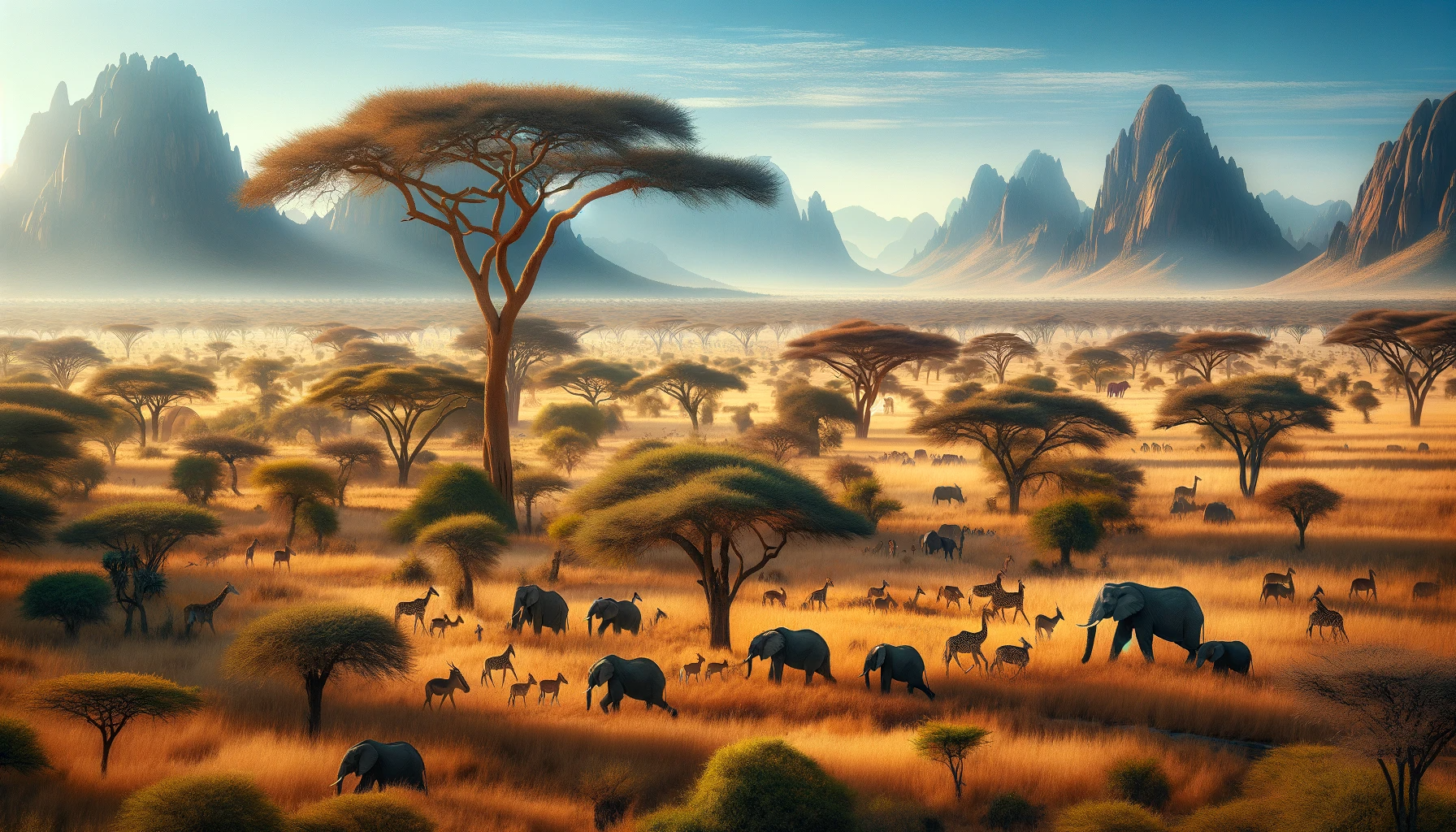
Chad is a nation with a rich cultural tapestry and diverse natural resources, facing significant challenges in terms of economic development, social services, and political stability. It continues to navigate a path toward sustainable growth and stability, balancing its rich cultural heritage with modern development challenges.
- New Year's Day Jour de l'An 🔥 Long weekend
- Eid al-Fitr Aïd el-Fitr
- Eid al-Fitr Holiday Aïd el-Fitr (2ème jour)
- Easter Monday Lundi de Pâques
- Labour Day Fête du Travail
- Ascension Day Ascension 🔥 Long weekend
- Eid al-Adha Aïd el-Adha
- Eid al-Adha Holiday Aïd el-Adha (2ème jour) 🔥 Long weekend
- Freedom Day Fête de la Liberté
- Islamic New Year Ras as-Sanah al-Hijriyah 🔥 Long weekend
- Independence Day Fête de l'Indépendance 🔥 Long weekend
- Prophet's Birthday Mawlid an-Nabi 🔥 Long weekend
- All Saints' Day Toussaint
- Republic Day Fête de la République
- Christmas Day Noël
- New Year's Day Jour de l'An
- Eid al-Fitr Aïd el-Fitr 🔥 Long weekend
- Eid al-Fitr Holiday Aïd el-Fitr (2ème jour)
- Easter Monday Lundi de Pâques
- Labour Day Fête du Travail
- Ascension Day Ascension 🔥 Long weekend
- Eid al-Adha Aïd el-Adha
- Eid al-Adha Holiday Aïd el-Adha (2ème jour)
- Freedom Day Fête de la Liberté 🔥 Long weekend
- Islamic New Year Ras as-Sanah al-Hijriyah
- Independence Day Fête de l'Indépendance
- Prophet's Birthday Mawlid an-Nabi
- All Saints' Day Toussaint
- Republic Day Fête de la République
- Christmas Day Noël
Frequently Asked Questions
-
Chad has 15 official public holidays in 2026.
-
Chad has 15 official public holidays in 2027.
-
The next public holiday in Chad is All Saints' Day on November 1, 2026 (in 36 days).
-
In 2026, Chad has 6 public holidays where taking just one extra day off creates a long weekend.
-
In 2027, Chad has 3 public holidays where taking just one extra day off creates a long weekend.
-
In 2026, the following public holidays fall on a Saturday or Sunday (the weekend in Chad): Eid al-Fitr Holiday, All Saints' Day, Republic Day.
-
In 2027, the following public holidays fall on a Saturday or Sunday (the weekend in Chad): Labour Day, Eid al-Adha, Islamic New Year, Prophet's Birthday, Republic Day, Christmas Day.
List of National and Public Holidays in Chad for the year 2026
- New Year’s Day is on 1st January, Thursday.
- International Women’s Day is on 8th March, Sunday.
- International Women’s Day Holiday is on 9th March, Monday.
- Aïd el-Fitr is on 20th March, Friday.
- Easter Monday is on 6th April, Monday.
- Labour Day is on 1st May, Friday.
- Aïd el-Kebir is on 27th May, Wednesday.
- Independence Day is on 11th August, Tuesday.
- Prophet Muhammad’s Birthday is on 25th August, Tuesday.
- All Saints’ Day is on 1st November, Sunday.
- All Saints’ Day Holiday is on 2nd November, Monday.
- Republic Day is on 28th November, Saturday.
- Freedom and Democracy Day is on 1st December, Tuesday.
- Christmas Day is on 25th December, Friday.

History
- Early Civilizations: Inhabited since ancient times, with evidence of civilizations around Lake Chad and the Ennedi Plateau.
- Islamic Influence: Islamic influence began in the 11th century, shaping much of Chad’s culture and history.
- Colonial Period: Became part of French Equatorial Africa in the early 20th century.
- Independence: Gained independence from France in 1960, followed by periods of civil conflict and political instability.
Geography
- Location: Landlocked in Central Africa, bordered by Libya, Sudan, the Central African Republic, Cameroon, Nigeria, and Niger.
- Diverse Terrain: Features the arid Saharan region in the north, the Sahelian belt in the center, and the more fertile Sudanian Savanna zone in the south.
- Lake Chad: Once one of Africa’s largest lakes, it has significantly reduced in size, impacting the region’s ecology and economy.
Culture
- Ethnic and Cultural Diversity: Home to over 200 ethnic and linguistic groups, each with its own customs, languages, and traditions.
- Arts and Music: Rich in traditional music and dance, with diverse instruments and styles influenced by various ethnic groups.
- Cuisine: Chadian cuisine varies by region, with staples including millet, sorghum, and meat, often accompanied by sauces.
Economy
- Primary Sectors: Predominantly based on subsistence farming and livestock rearing. Agriculture faces challenges due to climate variability.
- Oil Production: The discovery of oil has brought significant revenue but also challenges related to its equitable distribution and economic diversification.
- Development Challenges: Faces significant challenges, including poverty, inadequate infrastructure, and reliance on foreign aid.
Society
- Demographics: Characterized by a fast-growing population with diverse ethnic and religious backgrounds.
- Languages: French and Arabic are the official languages, with numerous indigenous languages spoken throughout the country.
- Education and Healthcare: Struggles with low literacy rates and limited access to quality healthcare services.
Environmental Concerns
- Desertification and Climate Change: Increasing desertification and the effects of climate change pose significant challenges to agriculture and livelihoods.
- Conservation Efforts: Efforts are being made to protect wildlife and natural habitats, particularly in Zakouma National Park.
Government and Politics
- Political Structure: A republic with a history of political turmoil and military rule. Recent efforts are focused on political stabilization and governance reforms.
- Regional and International Role: Active in regional organizations such as the African Union and engaged in initiatives to address regional security and development challenges.
Tourism
- Potential and Challenges: While tourism is minimal, Chad offers potential attractions such as the Tibesti Mountains, Zakouma National Park, and unique cultural experiences.
- Cultural and Ecotourism: Opportunities for cultural tourism and wildlife viewing exist, though infrastructure for tourism is limited.
