
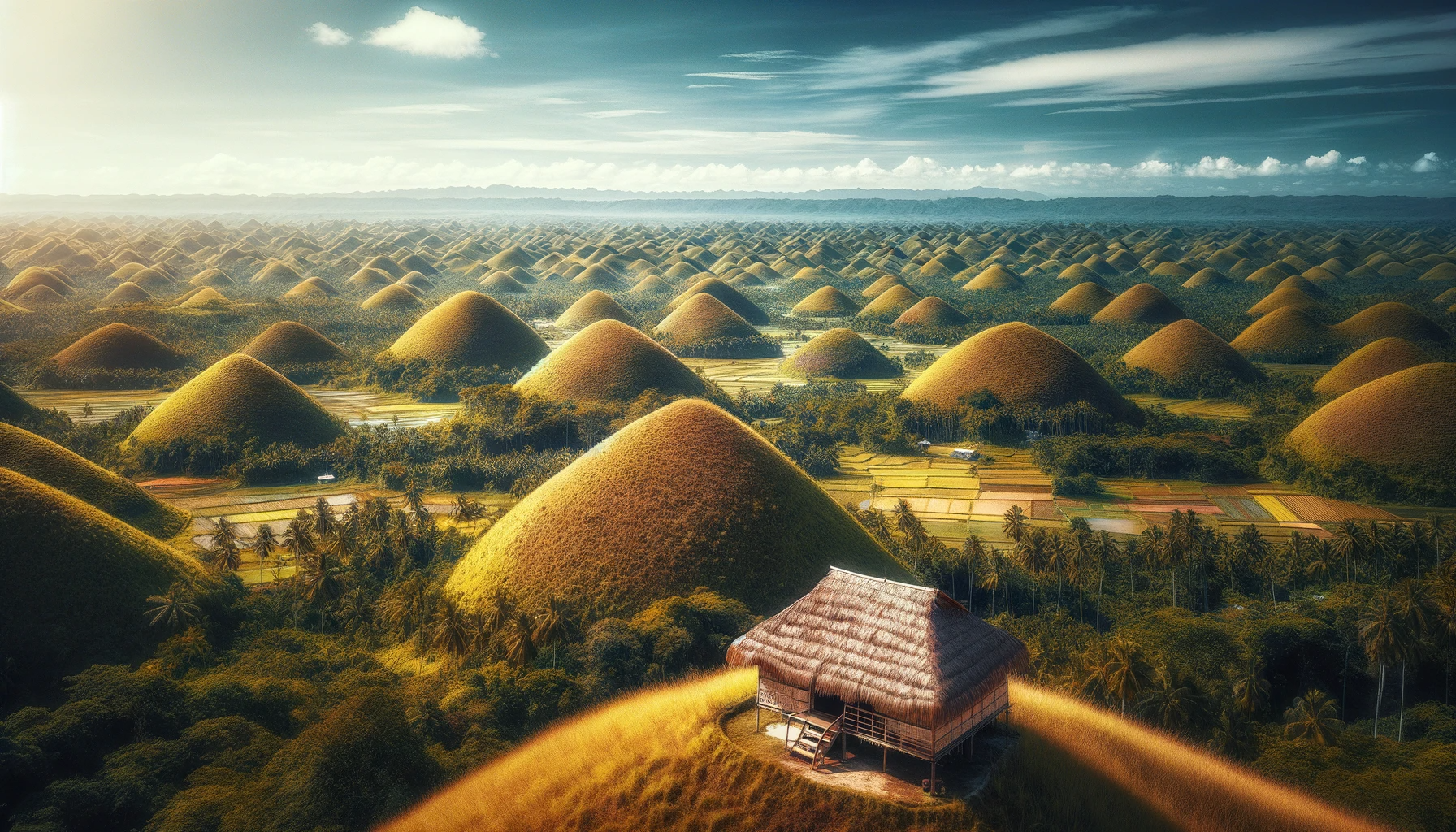
The Philippines is a nation with a rich historical background, diverse cultural heritage, and natural beauty. It faces various development challenges but remains a dynamic and resilient country with significant potential in Southeast Asia.
- New Year's Day Bagong Taon 🔥 Long weekend
- Chinese New Year Lunar New Year 🔥 Long weekend
- EDSA Revolution Day EDSA People Power Revolution
- Maundy Thursday Huwebes Santo 🔥 Long weekend
- Good Friday Biyernes Santo
- Day of Valor Araw ng Kagitingan
- Labour Day Araw ng Paggawa
- Independence Day Araw ng Kalayaan
- Ninoy Aquino Day Araw ni Ninoy Aquino
- National Heroes Day Araw ng mga Bayani
- All Saints' Day Araw ng mga Patay
- All Souls' Day Undas
- Bonifacio Day Araw ni Bonifacio
- Christmas Eve Pasko 🔥 Long weekend
- Christmas Day Pasko
- Rizal Day Araw ni Rizal
- New Year's Eve Katapusan ng Taon 🔥 Long weekend
- New Year's Day Bagong Taon
- Chinese New Year Lunar New Year
- EDSA Revolution Day EDSA People Power Revolution 🔥 Long weekend
- Maundy Thursday Huwebes Santo 🔥 Long weekend
- Good Friday Biyernes Santo
- Day of Valor Araw ng Kagitingan
- Labour Day Araw ng Paggawa
- Independence Day Araw ng Kalayaan
- Ninoy Aquino Day Araw ni Ninoy Aquino
- National Heroes Day Araw ng mga Bayani
- All Saints' Day Araw ng mga Patay
- All Souls' Day Undas 🔥 Long weekend
- Bonifacio Day Araw ni Bonifacio 🔥 Long weekend
- Christmas Eve Pasko
- Christmas Day Pasko
- Rizal Day Araw ni Rizal 🔥 Long weekend
- New Year's Eve Katapusan ng Taon
Frequently Asked Questions
-
Philippines has 17 official public holidays in 2026.
-
Philippines has 17 official public holidays in 2027.
-
The next public holiday in Philippines is Ninoy Aquino Day on August 21, 2026 (in 11 days).
-
In 2026, Philippines has 5 public holidays falling on a Tuesday or Thursday, creating potential long weekend opportunities by taking one extra day off.
-
In 2027, Philippines has 5 public holidays falling on a Tuesday or Thursday, creating potential long weekend opportunities by taking one extra day off.
-
In 2026, the following public holidays fall on a Saturday or Sunday: Day of Valor, All Saints' Day.
-
In 2027, the following public holidays fall on a Saturday or Sunday: Chinese New Year, Labour Day, Independence Day, Ninoy Aquino Day, Christmas Day.
List of Public Holidays and National Holidays for the Philippines in the year 2025
January
- New Year’s Day: Wednesday, January 1st
- Chinese New Year: Wednesday, January 29th
March
- Eidul Fitr: Monday, March 31st
April
- Day of Valor: Wednesday, April 9th
- Maundy Thursday: Thursday, April 17th
- Good Friday: Friday, April 18th
- Black Saturday: Saturday, April 19th
- Labor Day: Thursday, May 1st
June
- Eidul Adha: Friday, June 6th
- Independence Day: Thursday, June 12th
July
- Founding Anniversary of Iglesia ni Cristo: Sunday, July 27th
August
- Ninoy Aquino Day: Thursday, August 21st
- National Heroes’ Day: Monday, August 25th
October
- All Saints’ Day Holiday: Friday, October 31st
November
- All Saints’ Day: Saturday, November 1st
- Bonifacio Day: Sunday, November 30th
December
- Immaculate Conception: Monday, December 8th
- Christmas Holiday: Wednesday, December 24th
- Christmas Day: Thursday, December 25th
- Rizal Day: Tuesday, December 30th
- New Year’s Eve: Wednesday, December 31st
Source: http://www.gov.ph/
History
- Early History: Inhabited for thousands of years, with evidence of trading relations with China and other neighboring regions.
- Spanish Colonization: Colonized by Spain in the 16th century, the Philippines became a hub for trade between Asia and the Americas.
- American Era and World War II: Ceded to the United States after the Spanish-American War in 1898. Faced Japanese occupation during World War II.
- Independence: Gained independence in 1946, becoming the Republic of the Philippines.
Geography
- Archipelagic Nation: Comprising over 7,600 islands, the Philippines is located in Southeast Asia, bordered by the Philippine Sea, South China Sea, and Celebes Sea.
- Varied Landscapes: Features diverse landscapes including mountainous terrains, dense forests, plains, and coastal areas. Home to numerous active volcanoes and rich biodiversity.
- Climate: Generally tropical and maritime, with a rainy season from June to November and a dry season from December to May.
Culture
- Ethnic and Cultural Diversity: A melting pot of indigenous, Asian, Hispanic, and American influences. The country has over 170 languages and dialects.
- Arts and Festivals: Rich in arts, including traditional dances like Tinikling. Known for colorful festivals such as Sinulog and Ati-Atihan.
- Cuisine: Filipino cuisine is a blend of diverse flavors, featuring dishes like adobo, lechon, and sinigang. Spanish and Asian influences are evident.
Economy
- Agriculture and Services: Historically agrarian, with key exports including coconut, rice, and sugarcane. The service sector, particularly tourism and business process outsourcing (BPO), plays a significant role.
- Industrial Development: Industries include electronics, garments, and automotive parts. The country is also rich in mineral resources.
- Challenges: Economic challenges include income inequality, poverty, and vulnerability to natural disasters.
Society
- Population: One of the most populous countries in Asia, with a diverse mix of ethnic and religious groups. Predominantly Christian, with a significant Muslim minority in the south.
- Languages: Filipino (based on Tagalog) and English are the official languages. Regional languages like Cebuano and Ilocano are also widely spoken.
- Education and Healthcare: The government emphasizes education and healthcare, though access and quality vary across regions.
Environmental Issues
- Natural Disasters: Prone to natural disasters like typhoons, earthquakes, and volcanic eruptions, impacting development and livelihoods.
- Biodiversity Conservation: Rich in biodiversity, with efforts to conserve its unique ecosystems and endemic species.
Government and Politics
- Political Structure: A democratic republic with a presidential system. The country has a history of political dynasties and prominent political figures.
- Regional and International Role: Active in ASEAN (Association of Southeast Asian Nations) and international diplomacy, with a focus on regional stability and development.
Tourism
- Tourist Destinations: Known for beautiful beaches, islands, and historical sites. Popular destinations include Boracay, Palawan, and the Banaue Rice Terraces.
- Cultural Heritage: Rich cultural heritage with Spanish-era churches, indigenous traditions, and historic landmarks.
