
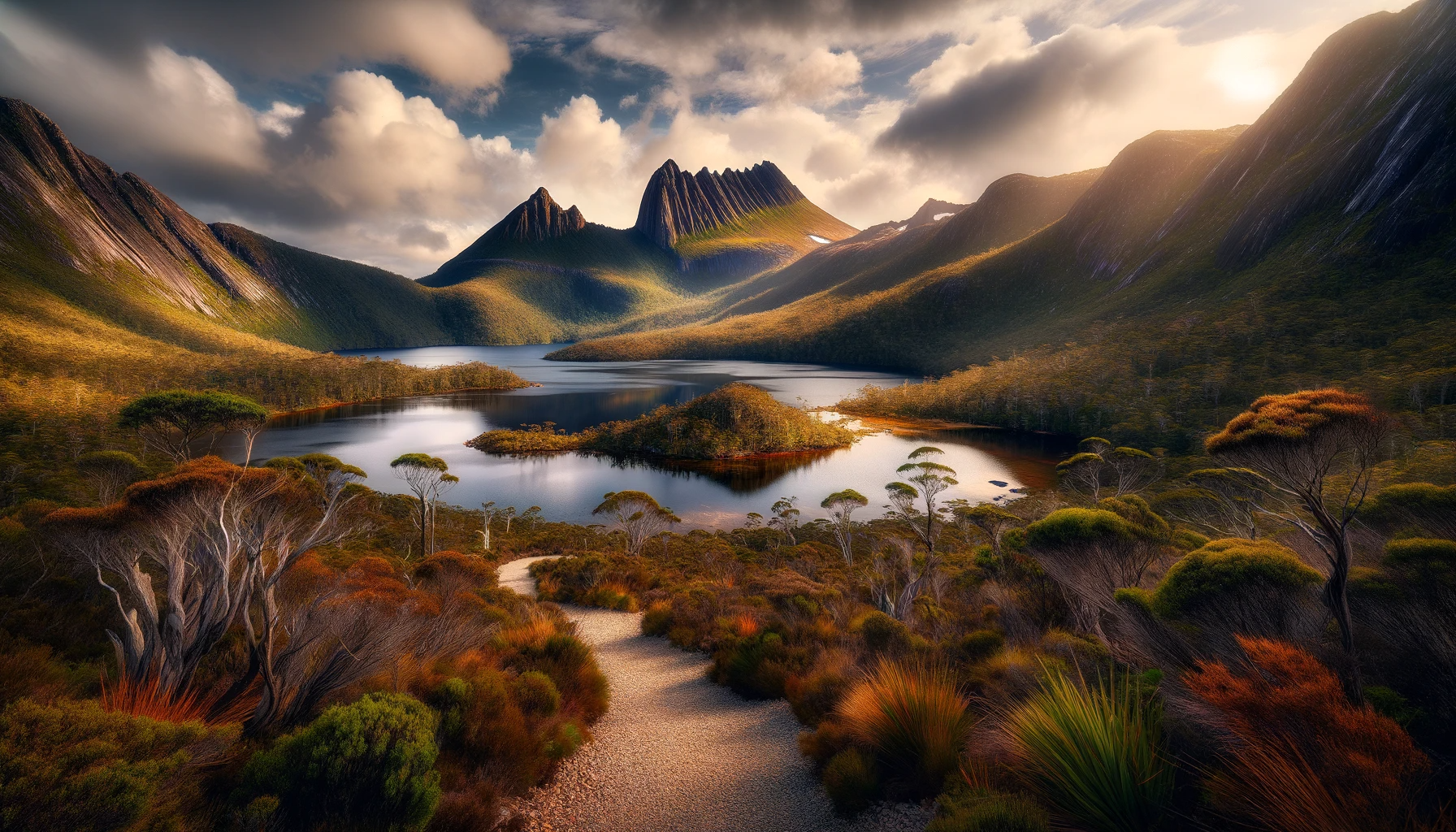
Tasmania is an island state celebrated for its stunning natural landscapes, rich cultural heritage, and strong environmental ethos. It continues to evolve, balancing economic development with the preservation of its unique natural and cultural assets.
Public Holidays Tasmania 2026
- Devonport Cup is on 7th January, Wednesday. Regional observance only
- Royal Hobart Regatta is on 9th February, Monday. Regional observance only
- Launceston Cup is on 25th February, Wednesday. Regional observance only
- King Island Show is on 3rd March, Tuesday. Regional observance only
- Eight Hours Day is on 9th March, Monday.
- AGFEST is on 8th May, Friday. Regional observance only
- King’s Birthday is on 8th June, Monday.
- Burnie Show is on 2nd October, Friday. Regional observance only
- Royal Launceston Show is on 8th October, Thursday. Regional observance only
- Flinders Island Show is on 16th October, Friday. Regional observance only
- Royal Hobart Show is on 22nd October, Thursday. Regional observance only
- Recreation Day is on 2nd November, Monday. Regional observance only
- Devonport Show is on 27th November, Friday. Regional observance only
Public Holidays for other regions in Australia
- Capital Territory
- New South Wales
- Northern Territory
- Queensland
- Western Australia
- Tasmania
- South Australia
- Viktoria
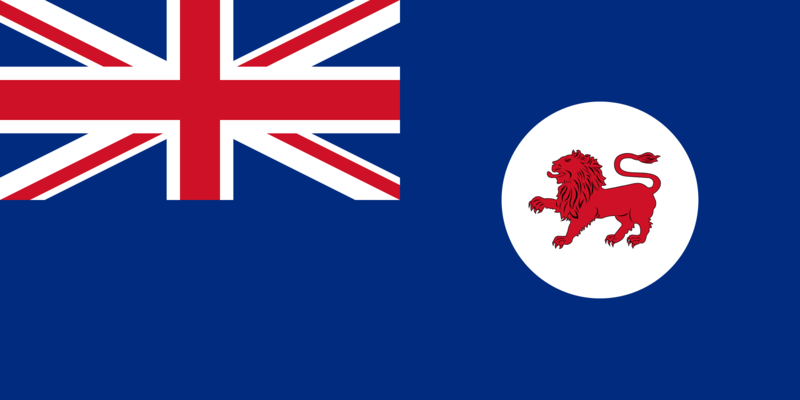
History
- Indigenous Heritage: Tasmania, originally known as Van Diemen’s Land, has a deep Indigenous history, with Aboriginal people inhabiting the island for thousands of years.
- European Settlement: The island was renamed Tasmania in 1856, in honor of the Dutch explorer Abel Tasman. It became a British colony in the early 19th century, initially serving as a penal colony.
- Environmental and Cultural Preservation: In recent decades, Tasmania has seen a shift towards preserving its natural environment and Indigenous heritage, alongside developing its unique cultural identity.
Geography
- Island State: Located 240 km to the south of the Australian mainland, separated by the Bass Strait. Tasmania is known for its rugged wilderness, extensive national parks, and World Heritage Sites.
- Climate: Has a temperate maritime climate, with four distinct seasons. The weather can vary greatly across different regions, from the wetter, cooler west coast to the drier, warmer east coast.
- Natural Features: Home to unique ecosystems, including ancient rainforests, alpine regions, and pristine beaches. Notable landmarks include Cradle Mountain, Freycinet National Park, and the Tasman Peninsula.
Culture
- Arts and Festivals: Hosts a vibrant arts scene, with events like the Dark Mofo and MONA FOMA festivals drawing visitors from across the world. The Museum of Old and New Art (MONA) in Hobart is a major cultural attraction.
- Heritage: Rich in colonial heritage, with well-preserved historic sites like Port Arthur providing insights into the convict era.
- Cuisine: Renowned for its high-quality produce, including seafood, wines, cheeses, and fruits. The island’s culinary scene emphasizes local and sustainable ingredients.
Economy
- Diverse Economy: Traditionally based on agriculture, forestry, and mining. In recent years, there has been a shift towards tourism, education, and niche markets like gourmet food and wine production.
- Tourism: A significant contributor to the economy, with Tasmania’s natural beauty, heritage, and cultural festivals attracting visitors both domestically and internationally.
- Innovation and Research: The state is also home to research institutions focusing on Antarctic and marine studies, contributing to scientific research and environmental conservation.
Society
- Population: The least populous Australian state, with a significant portion of its residents living in and around Hobart, the capital city, and Launceston.
- Community: Known for its tight-knit communities, with a strong sense of local identity and environmental stewardship.
- Healthcare and Education: Offers a comprehensive healthcare system and quality education, with a focus on access and equity.
Environmental Initiatives
- Conservation Efforts: Tasmania is a leader in environmental conservation, with over 40% of its land protected as national parks and reserves. Efforts are ongoing to protect its unique flora and fauna.
- Sustainability: Initiatives to promote sustainability include renewable energy projects, sustainable agriculture, and eco-tourism.
Government and Politics
- State Governance: Operates under a parliamentary system. While it has its own state government, Tasmania is also represented in the federal Australian Parliament.
- Environmental Policies: Environmental management and conservation are key political issues, reflecting the state’s commitment to protecting its natural heritage.
Tourism
- Adventure and Nature: Offers a wide range of outdoor activities, including hiking, kayaking, and wildlife observation. The Overland Track and the Bay of Fires are popular destinations for nature lovers.
- Cultural Experiences: Visitors can explore Tasmania’s rich history and vibrant arts scene through its museums, galleries, and cultural festivals.
In summary,
Meta Description for Google (155 characters): “
