
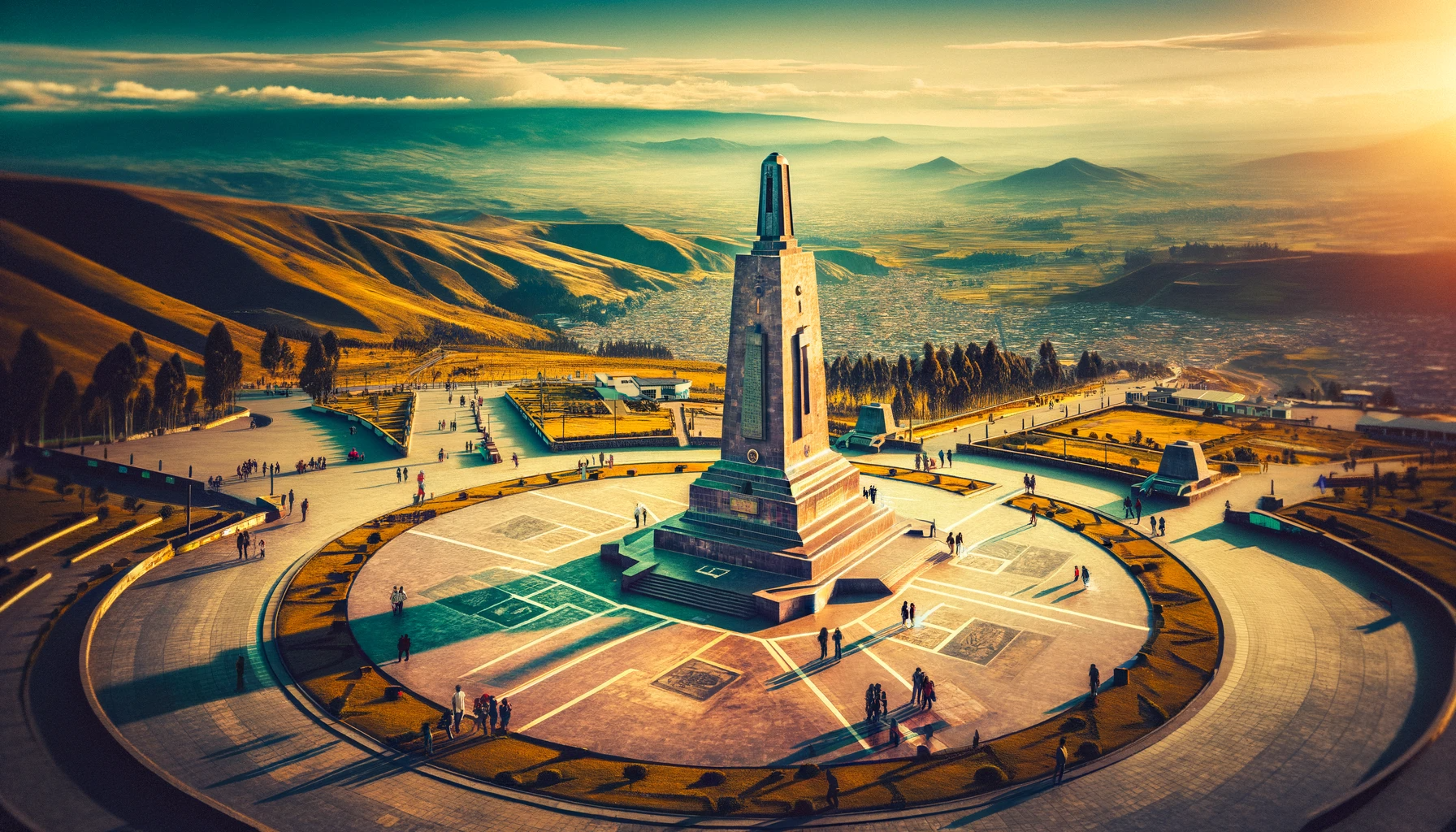
Discover Ecuador: A land of astounding biodiversity, rich cultural tapestry, and vibrant history, from the Amazon rainforest to the Galápagos Islands.
- New Year's Day Año Nuevo 🔥 Long weekend
- Carnival Carnaval
- Carnival Carnaval 🔥 Long weekend
- Good Friday Viernes Santo
- Labour Day Día del Trabajo
- Battle of Pichincha Batalla de Pichincha
- Independence Day Primer Grito de Independencia
- Independence of Guayaquil Independencia de Guayaquil
- All Souls' Day Día de los Difuntos
- Independence of Cuenca Independencia de Cuenca 🔥 Long weekend
- Christmas Day Navidad
- New Year's Day Año Nuevo
- Carnival Carnaval
- Carnival Carnaval 🔥 Long weekend
- Good Friday Viernes Santo
- Labour Day Día del Trabajo
- Battle of Pichincha Batalla de Pichincha
- Independence Day Primer Grito de Independencia 🔥 Long weekend
- Independence of Guayaquil Independencia de Guayaquil
- All Souls' Day Día de los Difuntos 🔥 Long weekend
- Independence of Cuenca Independencia de Cuenca
- Christmas Day Navidad
Frequently Asked Questions
-
Ecuador has 11 official public holidays in 2026.
-
Ecuador has 11 official public holidays in 2027.
-
The next public holiday in Ecuador is Independence Day on August 10, 2026 (in 5 days).
-
In 2026, Ecuador has 3 public holidays falling on a Tuesday or Thursday, creating potential long weekend opportunities by taking one extra day off.
-
In 2027, Ecuador has 3 public holidays falling on a Tuesday or Thursday, creating potential long weekend opportunities by taking one extra day off.
-
In 2026, the following public holidays fall on a Saturday or Sunday: Battle of Pichincha.
-
In 2027, the following public holidays fall on a Saturday or Sunday: Labour Day, Independence of Guayaquil, Christmas Day.
History
- Early Civilizations and Spanish Conquest: Inhabited for thousands of years by various indigenous groups, most notably the Inca Empire. Conquered by the Spanish in the 16th century.
- Colonial Era: Became part of the Spanish Empire, with significant cultural and social impact.
- Independence: Gained independence from Spain in 1822, initially as part of Gran Colombia, before becoming a sovereign nation in 1830.
- Recent History: The 20th century saw political instability, economic challenges, and border conflicts, notably with Peru. Recent years have seen a focus on political reform and economic stabilization.
Geography
- Diverse Landscapes: Located on the northwest coast of South America, straddling the equator. Known for its diverse geography, including the Amazon rainforest, Andean highlands, and the Galápagos Islands.
- Climate: Varies from tropical along the coast and in the Amazon to cooler in the highlands.
Culture
- Rich Cultural Heritage: A blend of indigenous and Spanish influences. Indigenous cultures like the Quechua have a significant impact on Ecuadorian culture.
- Music and Dance: Known for traditional music styles such as Pasillo and Bomba, and festivals featuring vibrant music and dance.
- Language: Spanish is the official language, with several indigenous languages also spoken.
- Cuisine: Features a variety of dishes influenced by diverse regional landscapes, including seafood, Andean staples, and tropical fruits.
Economy
- Agriculture and Resources: Economy traditionally based on agriculture, with major exports like bananas, flowers, and cocoa. Also rich in oil and mineral resources.
- Economic Challenges: Struggles with economic diversification, debt, and reliance on oil exports.
- Tourism: The Galápagos Islands and rich natural biodiversity make tourism an important economic sector.
Politics
- Government: A democratic republic with a president as the head of state and government. Has experienced significant political turnover and reforms.
- Political Landscape: Characterized by a mix of left-wing, centrist, and right-wing parties. Indigenous movements have also played a significant political role.
- International Relations: Active in regional affairs in Latin America and a member of international organizations like the United Nations.
Society
- Population Diversity: A multiethnic population comprising mestizo (mixed indigenous and European descent), indigenous, Afro-Ecuadorian, and European communities.
- Social Issues: Ongoing efforts to reduce poverty, inequality, and improve education and healthcare.
- Urbanization: Significant urban centers include Quito (the capital) and Guayaquil (the largest city).
Science and Technology
- Research and Development: Focus on biodiversity, environmental conservation, and agricultural sciences.
- Technological Growth: Increasing use of digital technologies in urban areas, with efforts to expand access across the country.
Arts and Literature
- Literary Contributions: Rich literary tradition, with notable authors like Jorge Icaza and Juan León Mera.
- Art and Craft: Known for its indigenous and colonial art, including textiles, pottery, and paintings.
Sports
- Football: The most popular sport, with a passionate following. Ecuador has competed in multiple FIFA World Cup tournaments.
- Other Sports: Also participates in athletics, volleyball, and basketball.
International Relations
- Global and Regional Role: Engages in global environmental initiatives, particularly in preserving the Amazon and Galápagos Islands. Active in regional Latin American politics.
- Foreign Policy: Balances its foreign policy between the US, China, and regional neighbors.
Challenges and Prospects
- Economic Stability: Striving for economic stability and diversification beyond oil and agriculture.
- Environmental Conservation: Balancing economic development with the conservation of its rich biodiversity, particularly in the Amazon and Galápagos.
- Social Development: Focusing on improving social equality, healthcare, and education.
