
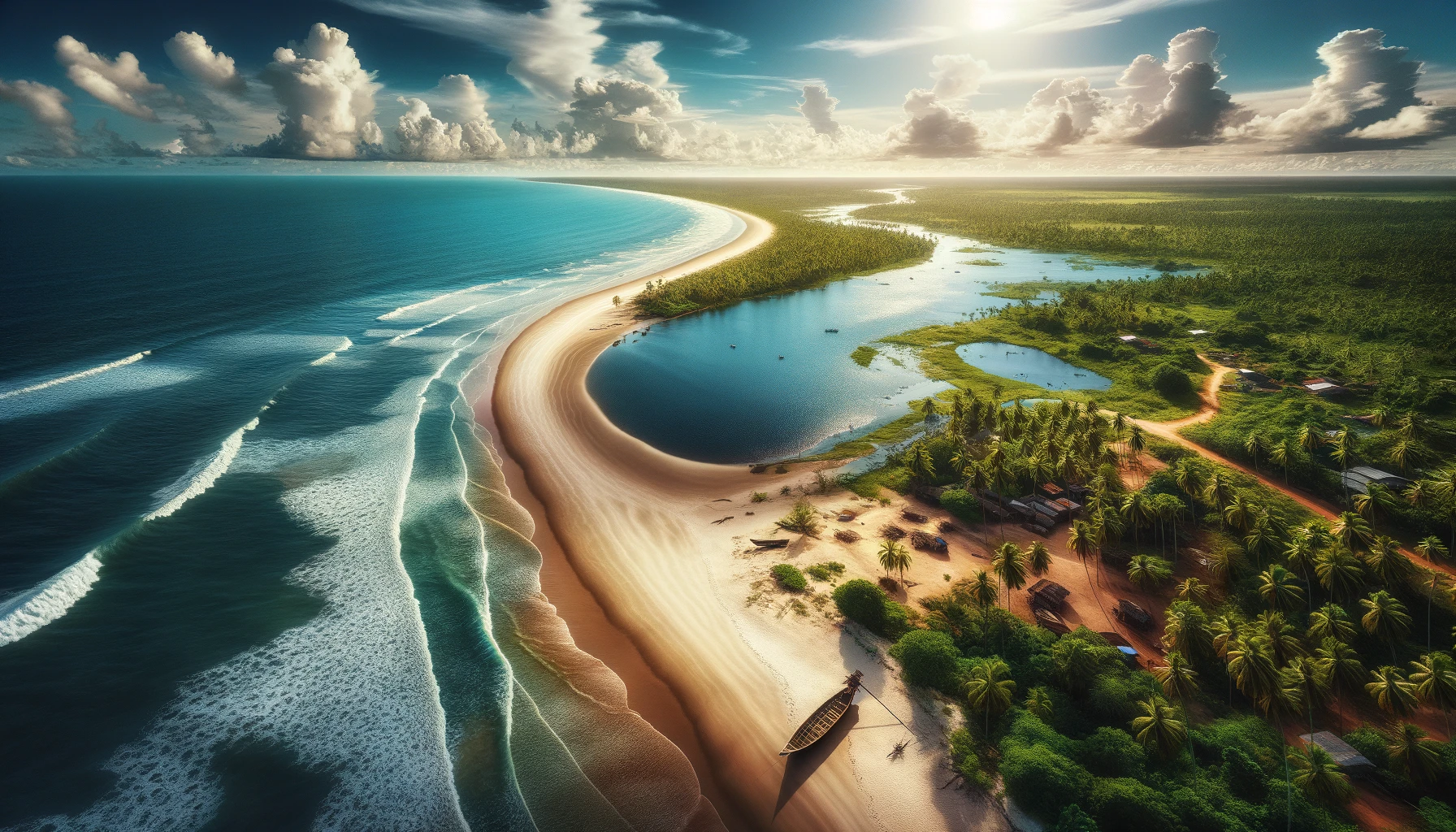
Suriname, the smallest country in South America, offers a unique blend of cultures, biodiversity, and history. It offers vast expanses of tropical rainforest, diverse ethnic communities, and Dutch colonial architecture. Most notably is its capital, Paramaribo, a UNESCO World Heritage Site. Combined, this makes it a must-visit destination in South America.
- New Year's Day Nieuwjaarsdag 🔥 Long weekend
- Chinese New Year Chinees Nieuwjaar 🔥 Long weekend
- Holi-Phagwa Phagwa
- End of Ramadan Eid al-Fitr
- Good Friday Goede Vrijdag
- Easter Sunday Eerste Paasdag
- Labour Day Dag van de Arbeid
- Ascension Day Hemelvaartsdag 🔥 Long weekend
- Indian Arrival Day Indiase Immigratiedag
- Emancipation Day Keti Koti
- Javanese Arrival Day Javaanse Immigratiedag
- Indigenous People's Day Dag der Inheemsen
- Day of the Maroons Dag der Marrons
- Chinese Arrival Day Chinese Immigratiedag 🔥 Long weekend
- Diwali Deepavali
- Independence Day Onafhankelijkheidsdag
- Christmas Day Eerste Kerstdag
- Boxing Day Tweede Kerstdag
- New Year's Day Nieuwjaarsdag
- Chinese New Year Chinees Nieuwjaar
- End of Ramadan Eid al-Fitr
- Holi-Phagwa Phagwa
- Good Friday Goede Vrijdag
- Easter Sunday Eerste Paasdag
- Labour Day Dag van de Arbeid
- Ascension Day Hemelvaartsdag 🔥 Long weekend
- Indian Arrival Day Indiase Immigratiedag
- Emancipation Day Keti Koti 🔥 Long weekend
- Javanese Arrival Day Javaanse Immigratiedag
- Indigenous People's Day Dag der Inheemsen
- Day of the Maroons Dag der Marrons
- Chinese Arrival Day Chinese Immigratiedag
- Diwali Deepavali
- Independence Day Onafhankelijkheidsdag 🔥 Long weekend
- Christmas Day Eerste Kerstdag
- Boxing Day Tweede Kerstdag
Frequently Asked Questions
-
Suriname has 18 official public holidays in 2026.
-
Suriname has 18 official public holidays in 2027.
-
The next public holiday in Suriname is Chinese Arrival Day on October 20, 2026 (in 6 days).
-
In 2026, Suriname has 4 public holidays where taking just one extra day off creates a long weekend.
-
In 2027, Suriname has 3 public holidays where taking just one extra day off creates a long weekend.
-
In 2026, the following public holidays fall on a Saturday or Sunday (the weekend in Suriname): Easter Sunday, Javanese Arrival Day, Indigenous People's Day, Day of the Maroons, Diwali, Boxing Day.
-
In 2027, the following public holidays fall on a Saturday or Sunday (the weekend in Suriname): Chinese New Year, Easter Sunday, Labour Day, Indian Arrival Day, Javanese Arrival Day, Day of the Maroons, Christmas Day, Boxing Day.

History
- Pre-Colonial Period: Indigenous peoples have inhabited Suriname for thousands of years, each group with its distinct culture and society.
- Colonial Era: Suriname became a Dutch colony in the 17th century. Initially focused on agriculture and the notorious transatlantic slave trade.
- Independence: Gained independence from the Netherlands in 1975, followed by periods of political instability, including a military regime and a civil war in the 1980s.
Geography
- Location and Landscape: The smallest country in South Amercia, Suriname is located on the northeastern coast of South America, bordered by the Atlantic Ocean, French Guiana, Brazil, and Guyana. The country features a mix of coastal plains, tropical rainforests, and rivers.
- Climate: Tropical climate with a hot and humid environment, characterized by a rainy season and a dry season.
Culture
- Ethnic Diversity: Suriname’s population is one of the most ethnically diverse in the region, including Creole (mixed African and European), Hindustani (descendants of Indian contract workers), Javanese, Maroons (descendants of escaped African slaves), Indigenous peoples, Chinese, and Europeans.
- Cultural Heritage: This diversity is reflected in Suriname’s languages, religions, cuisine, and festivals. Dutch is the official language, but Sranan Tongo, Hindi, Javanese, and other languages are also widely spoken.
- Religious Practices: Suriname is religiously diverse, with Hinduism, Islam, Christianity, and indigenous beliefs coexisting harmoniously.
Economy
- Resource-Based Economy: The economy is heavily dependent on the mining sector, particularly bauxite, gold, and oil. Agriculture (rice, bananas) and fishing are also significant.
- Challenges and Development: Faces challenges such as economic dependency on natural resources, environmental conservation, and the need for economic diversification.
- Tourism Potential: Suriname’s rich biodiversity, cultural heritage, and relatively untouched rainforests offer significant potential for eco-tourism and cultural tourism.
Society
- Demographics: Suriname’s population is concentrated in the northern coastal region, with Paramaribo, the capital city, being the cultural and economic center.
- Education and Healthcare: The country has made strides in improving education and healthcare, though challenges remain in accessibility and quality, especially in rural areas.
- Social Issues: Addressing social inequalities, enhancing integration among its diverse ethnic groups, and improving living standards are ongoing societal challenges.
Environmental Initiatives
- Biodiversity and Conservation: Suriname’s vast rainforests are part of the Amazon biome, hosting an incredible diversity of flora and fauna. There are efforts to protect these environments through national parks and conservation projects.
- Sustainability Efforts: Balancing economic development with environmental sustainability is a key focus, with initiatives to promote sustainable mining practices and develop renewable energy sources.
Government and Politics
- Political Structure: A democratic republic with a president elected by the National Assembly or by a larger electoral college when necessary.
- Recent Developments: Political stability has improved, but governance, transparency, and human rights remain areas for further development.

Tourism
- Natural Attractions: The Central Suriname Nature Reserve, a UNESCO World Heritage site, Brokopondo Reservoir, and Brownsberg Nature Park offer unique wildlife and nature experiences.
- Cultural Experiences: Cultural festivals, historic colonial architecture in Paramaribo (also a UNESCO World Heritage site), and Maroon and Indigenous communities provide insights into the country’s rich cultural tapestry.
Challenges and Future Outlook
- Economic Diversification: Expanding beyond resource extraction to sectors like tourism, agriculture, and technology to ensure sustainable economic growth.
- Environmental Management: Protecting its natural resources while fostering development, addressing climate change, and promoting conservation.
- Social Cohesion: Continuing to build a cohesive society that values and celebrates its cultural diversity and works towards equality and inclusion.
