
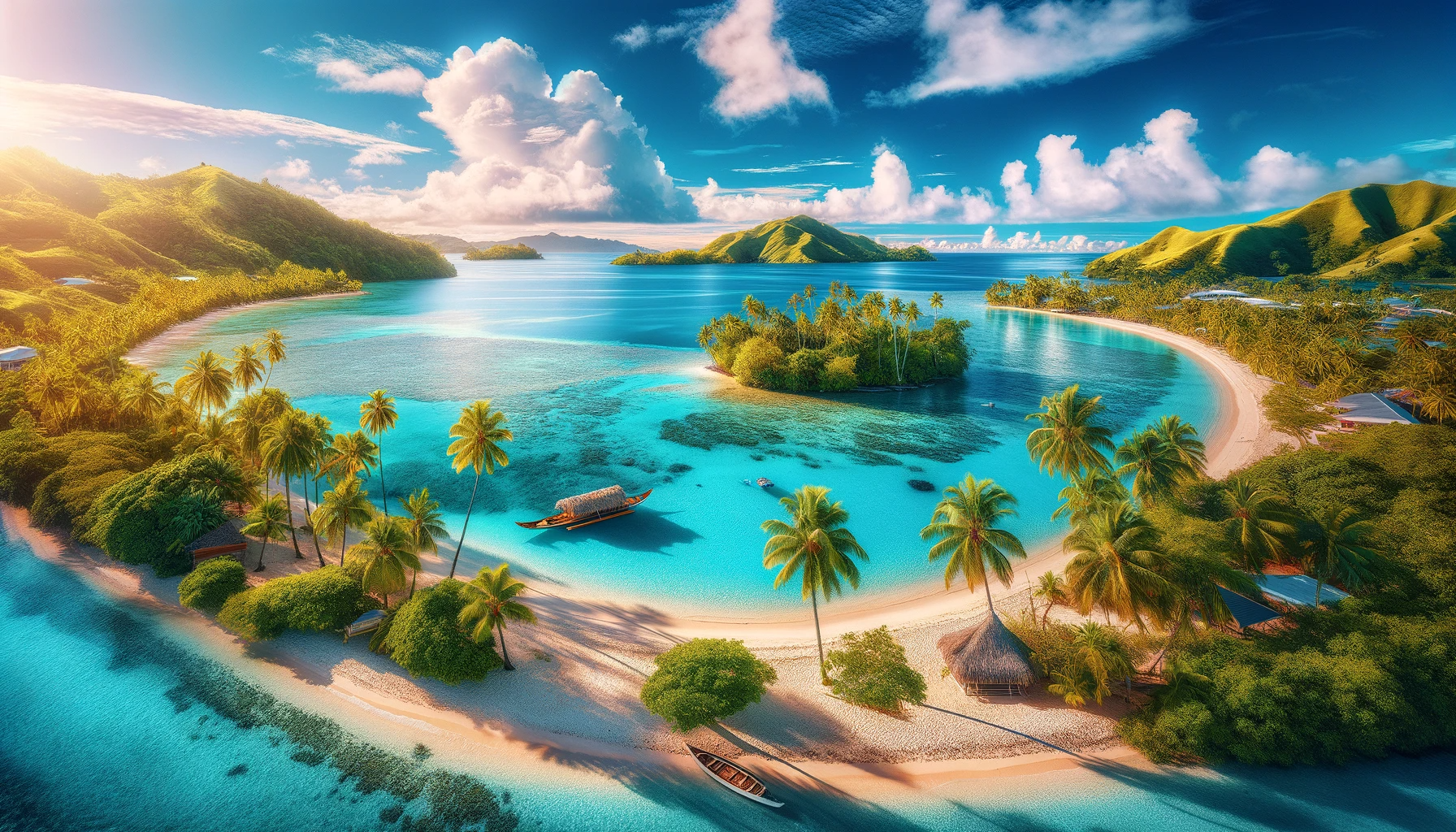
Fiji is a diverse and culturally vibrant nation known for its stunning natural landscapes, welcoming people, and unique blend of indigenous and immigrant cultures. Its commitment to preserving its environment and promoting tourism makes it a popular destination in the South Pacific.
- New Year's Day 🔥 Long weekend — take off Friday, Jan 2
- Good Friday
- Easter Saturday
- Easter Monday
- Girmit Day
- Ratu Sir Lala Sukuna Day
- Prophet Muhammad's Birthday Holiday
- Fiji Day
- Diwali
- Christmas Day
- Boxing Day
- Boxing Day Holiday
- New Year's Day
- Good Friday
- Easter Saturday
- Easter Monday
- Girmit Day
- Ratu Sir Lala Sukuna Day
- Prophet Muhammad's Birthday Holiday
- Fiji Day
- Diwali 🔥 Long weekend — take off Friday, Oct 29
- Christmas Day
- Christmas Day Holiday
- Boxing Day
Frequently Asked Questions
- How many public holidays does Fiji have in 2026?
-
Fiji has 12 official public holidays in 2026.
- How many public holidays does Fiji have in 2027?
-
Fiji has 12 official public holidays in 2027.
- What is the next public holiday in Fiji?
-
The next public holiday in Fiji is Good Friday on April 3, 2026 (in 16 days).
- How many long weekends can you get in Fiji in 2026?
-
In 2026, Fiji has 1 public holiday falling on a Tuesday or Thursday, creating potential long weekend opportunities by taking one extra day off.
- How many long weekends can you get in Fiji in 2027?
-
In 2027, Fiji has 1 public holiday falling on a Tuesday or Thursday, creating potential long weekend opportunities by taking one extra day off.
- Which public holidays in Fiji fall on a weekend in 2026?
-
In 2026, the following public holidays fall on a Saturday or Sunday: Easter Saturday, Fiji Day, Boxing Day.
- Which public holidays in Fiji fall on a weekend in 2027?
-
In 2027, the following public holidays fall on a Saturday or Sunday: Easter Saturday, Girmit Day, Prophet Muhammad's Birthday Holiday, Fiji Day, Christmas Day, Boxing Day.
List of National and Public Holidays in Fiji for the year 2026
- New Year’s Day is on 1st January, Thursday.
- Good Friday is on 3rd April, Friday.
- Easter Saturday is on 4th April, Saturday.
- Easter Monday is on 6th April, Monday.
- Girmit Day is on 15th May, Friday.
- Ratu Sir Lala Sukuna Day is on 29th May, Friday.
- Prophet Muhammad’s Birthday Holiday is on 24th August, Monday.
- Fiji Day is on 10th October, Saturday.
- Diwali is on 9th November, Monday.
- Christmas Day is on 25th December, Friday.
- Boxing Day is on 26th December, Saturday.
- Boxing Day Holiday is on 28th December, Monday.
Regional Festivals Fiji
- Holi is around February March
- Bula Festival is around August
- Hisbiscus Carnival/ Festival is around August
- Sugar Festival is around September
- Friendly North Festival is around September
- Coral Coast Festival is around September
Geography and Location:
Fiji is an island nation located in the South Pacific Ocean. It is situated approximately 2,000 kilometers northeast of New Zealand and about 3,000 kilometers southwest of Hawaii. Fiji comprises an archipelago of more than 300 islands, with the two largest islands, Viti Levu and Vanua Levu, accounting for the majority of the land area. The country’s stunning tropical landscapes, clear waters, and vibrant coral reefs make it a popular destination for tourists.
History:
Fiji has a rich and complex history that includes periods of indigenous development, European exploration, and colonial rule. The islands were originally settled by the Lapita people around 3,500 years ago. European contact began with the arrival of Dutch explorer Abel Tasman in the 17th century. The British Empire established colonial rule over Fiji in the 19th century, and the islands gained independence in 1970.
Indigenous Culture:
The indigenous people of Fiji are primarily of Melanesian and Polynesian descent. They have a rich cultural heritage that includes traditional music, dance, art, and ceremonies. The Fijian culture places a strong emphasis on community, respect for elders, and the concept of “vanua” (land or territory), which is central to Fijian identity. Traditional ceremonies, such as the kava ceremony, continue to be important aspects of Fijian culture.
Population and Ethnicity:
Fiji is a diverse nation with a mix of ethnicities. The population is predominantly of Fijian and Indo-Fijian descent. The Indo-Fijians are descendants of indentured laborers brought to Fiji by the British colonial government in the 19th and early 20th centuries. There are also smaller communities of Europeans, Chinese, and other ethnic groups. The country is known for its ethnic diversity and multicultural society.
Languages:
English is the official language of Fiji and is widely spoken and understood. However, the Fijian language, known as “Vosa Vakaviti,” is also widely spoken, particularly among the indigenous Fijian population. Additionally, many Indo-Fijians speak Hindi or Fiji Hindi as their first language.
Economy:
Fiji’s economy is classified as a mixed economy, with a mix of private enterprise and government involvement. The country’s key economic sectors include agriculture, tourism, manufacturing, and services. Fiji is known for its sugar and tourism industries. Tourism, in particular, plays a significant role in the economy, with visitors attracted to the country’s natural beauty, water sports, and cultural experiences.
Tourism:
Fiji is a popular tourist destination known for its pristine beaches, coral reefs and warm climate. Visitors come to Fiji for activities such as snorkelling, diving, surfing and exploring the lush rainforests. The country offers a range of accommodation from luxury resorts to budget options, making it accessible to a wide range of travellers.
Government and Politics:
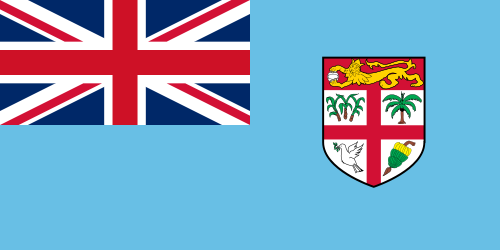
Fiji is a republic with a parliamentary democracy. It has experienced political instability and military coups in the past, but in recent years, it has made efforts to establish a stable and democratic government. The country has a president as its head of state and a prime minister as its head of government. The parliament consists of a single chamber, the House of Representatives.
Education and Healthcare
Fiji has a well-developed education system that provides free primary and secondary education to its citizens. The country also has institutions of higher education, including the University of the South Pacific. In terms of healthcare, Fiji has made progress in providing accessible healthcare services to its population. The Ministry of Health and Medical Services oversees healthcare delivery in the country.
Natural Environment:
Fiji is renowned for its natural beauty and biodiversity. The country’s lush rainforests, waterfalls, and volcanic landscapes make it a haven for nature enthusiasts. The coral reefs surrounding the islands are home to a diverse range of marine life, making Fiji a popular destination for snorkeling and diving. Conservation efforts are important, and Fiji has established marine protected areas to safeguard its marine ecosystems.
Climate:
Fiji has a tropical marine climate with warm temperatures throughout the year. The wet season typically occurs from November to April, with heavy rainfall and the possibility of tropical cyclones. The dry season runs from May to October, characterized by sunny and pleasant weather. The climate is conducive to outdoor activities and beach vacations.
Cultural Festivals:
Fiji hosts a variety of cultural festivals and events throughout the year. These festivals often include traditional music and dance performances, showcasing the diversity of Fijian culture. Some notable festivals include the Hibiscus Festival, Bula Festival, and the Fiji International Jazz and Blues Festival.
Foreign Relations:
Fiji maintains diplomatic relations with numerous countries and is an active member of international organizations such as the United Nations and the Commonwealth of Nations. The country also plays a significant role in regional organizations like the Pacific Islands Forum. Fiji has pursued a “Look North” policy, strengthening ties with countries in Asia and the Pacific.
