Algeria, officially known as the People’s Democratic Republic of Algeria, is a country in North Africa and the largest country by land area on the African continent and in the Arab world. It shares borders with Tunisia, Libya, Mali, Niger, Western Sahara, Mauritania, Morocco, and the Mediterranean Sea. The country’s diverse landscape ranges from the Saharan desert in the south to the Mediterranean coastline in the north.
- New Year's Day رأس السنة الميلادية
- Amazigh New Year رأس السنة الأمازيغية 🔥 Long weekend
- Eid al-Fitr عيد الفطر
- Eid al-Fitr Holiday عطلة عيد الفطر
- Labour Day عيد العمال
- Eid al-Adha عيد الأضحى
- Eid al-Adha Holiday عطلة عيد الأضحى
- Islamic New Year رأس السنة الهجرية
- Ashura عاشوراء
- Independence Day عيد الاستقلال
- Prophet Muhammad's Birthday المولد النبوي الشريف
- Revolution Day يوم الثورة
- New Year's Day رأس السنة الميلادية
- Amazigh New Year رأس السنة الأمازيغية
- Eid al-Fitr عيد الفطر
- Eid al-Fitr Holiday عطلة عيد الفطر 🔥 Long weekend
- Labour Day عيد العمال
- Eid al-Adha عيد الأضحى
- Eid al-Adha Holiday عطلة عيد الأضحى
- Islamic New Year رأس السنة الهجرية
- Ashura عاشوراء
- Independence Day عيد الاستقلال 🔥 Long weekend
- Prophet Muhammad's Birthday المولد النبوي الشريف
- Revolution Day يوم الثورة 🔥 Long weekend
Frequently Asked Questions
-
Algeria has 12 official public holidays in 2026.
-
Algeria has 12 official public holidays in 2027.
-
The next public holiday in Algeria is Revolution Day on November 1, 2026 (in 24 days).
-
In 2026, Algeria has 1 public holiday where taking just one extra day off creates a long weekend.
-
In 2027, Algeria has 3 public holidays where taking just one extra day off creates a long weekend.
-
In 2026, the following public holidays fall on a Friday or Saturday (the weekend in Algeria): Eid al-Fitr, Eid al-Fitr Holiday, Labour Day.
-
In 2027, the following public holidays fall on a Friday or Saturday (the weekend in Algeria): New Year's Day, Labour Day.
Facts and Infos about Algeria
- Population: 35.9 million (UN, 2011)
- Capital: Algiers
- Area: 2.4 million sq km (919,595 sq miles)
- Money: 1 dinar = 100 centimes
- Internet domain: .dz
- International dialling code: +213
History
Algeria’s history is rich and varied, having been a part of many empires and civilizations, from the ancient Numidians and Carthaginians to the Romans, Byzantines, and Arabs. The most significant historical event in modern Algerian history is the Algerian War of Independence against French colonial rule, which lasted from 1954 to 1962 and resulted in Algeria gaining its independence.
Capital
The capital and largest city of Algeria is Algiers. It serves as the political, economic, and cultural center of the country. Other major cities include Oran, Constantine, and Annaba. The population of Algeria is predominantly Arab-Berber, and Arabic and Berber (Tamazight) are the official languages. Islam is the state religion, with the majority of Algerians being Sunni Muslims.
Economy
Algeria’s economy is heavily reliant on hydrocarbons; oil and natural gas constitute the majority of the country’s revenue and exports. Despite its wealth in natural resources, Algeria faces various economic challenges, including unemployment and a need for more diverse economic development. The government has been implementing reforms to attract foreign investment and stimulate sectors such as agriculture, tourism, and renewable energy.
Education
Education in Algeria is free and compulsory up to the secondary level. The country has made significant strides in increasing literacy rates and educational attainment in recent decades. Algeria is home to several universities and higher education institutions, including the University of Algiers.
Cultur
Culturally, Algeria is a melting pot of influences, reflecting the various civilizations that have existed in the region. This diversity is evident in its architecture, music, literature, and cuisine. Algerian cuisine is known for its rich flavors, with dishes like couscous and tagine being popular. Traditional music genres such as Raï have gained international recognition.

Geography
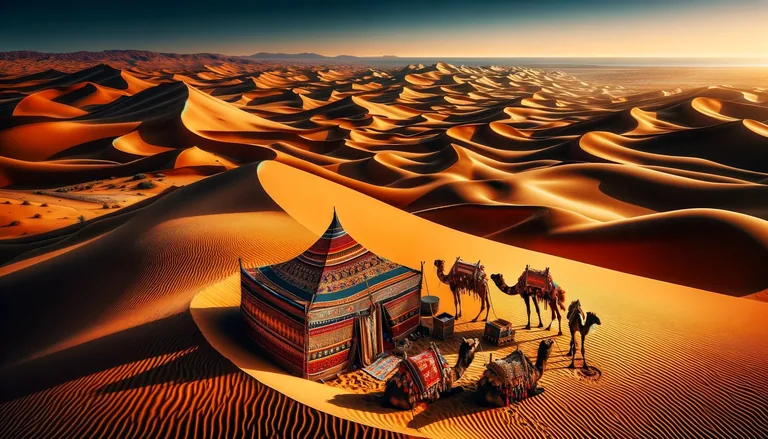
In terms of geography, Algeria is known for its vast and diverse landscapes. The Sahara Desert covers more than 80% of its territory, featuring stunning oases, sand dunes, and rock formations. The northern part of the country is dominated by the Atlas Mountains and the coastal plains along the Mediterranean Sea.
Flora and Fauna
Algeria also has a diverse range of flora and fauna, adapted to its various climates. The national parks and nature reserves, such as Tassili n’Ajjer and Ahaggar National Park, are home to many species and offer opportunities for ecotourism.
Politics
Politically, Algeria is a semi-presidential republic. The President of Algeria is the head of state, while the Prime Minister is the head of government. The political scene has been marked by periods of stability and unrest, with the recent years witnessing significant public demonstrations calling for political reform and economic improvement.
In foreign relations, Algeria plays a significant role in regional and international affairs. It is a member of the United Nations, the African Union, the Arab League, and OPEC. The country has been actively involved in mediating conflicts in the region and advocating for African and Arab interests on the global stage.
In conclusion, Algeria is a country of vast natural beauty and rich cultural heritage. Its strategic location, abundant natural resources, and historical significance make it a key player in the North African and Arab worlds. Despite facing economic and political challenges, Algeria continues to strive towards a prosperous and stable future.
