
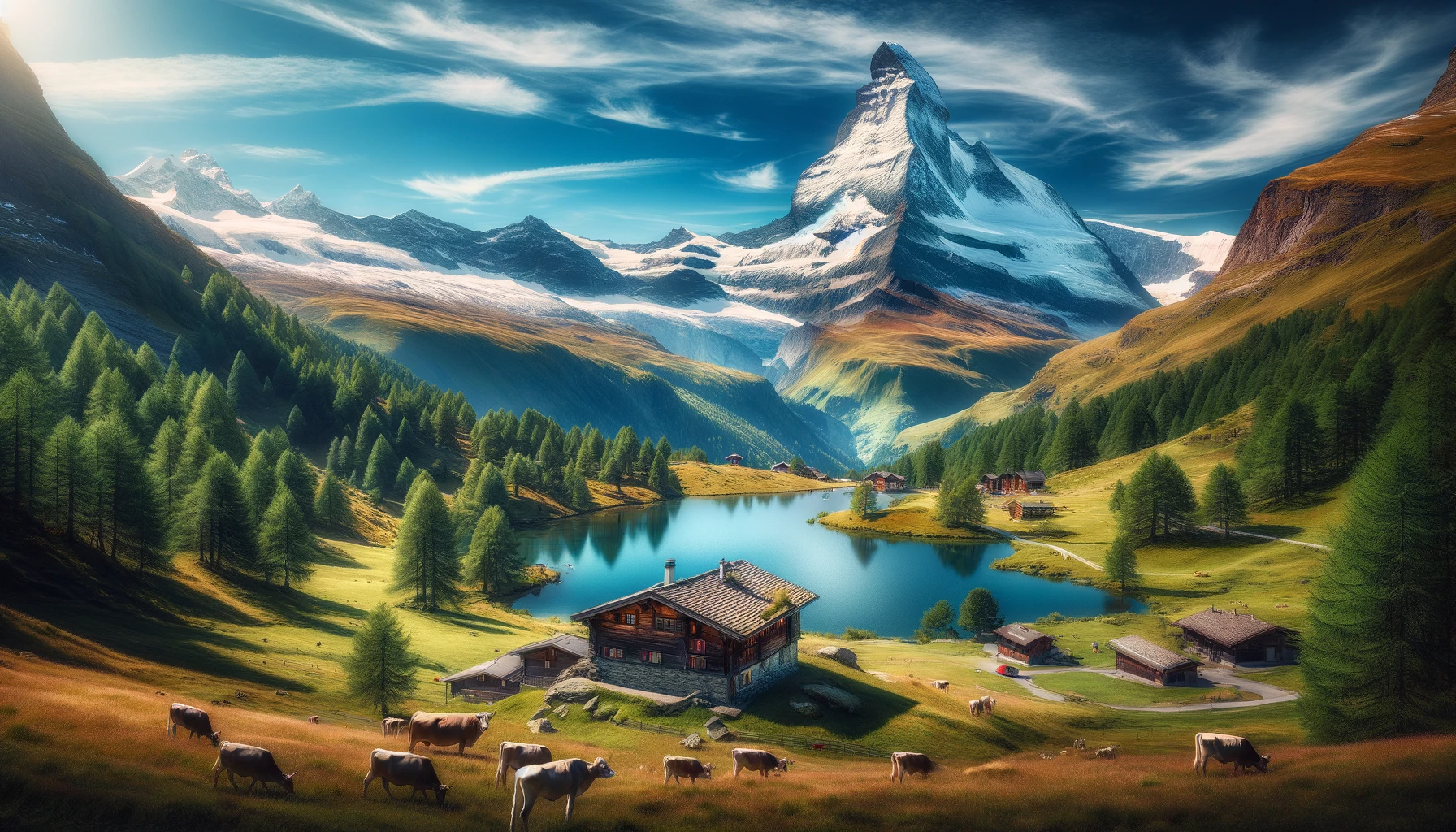
Switzerland has a highly decentralized holiday system. While Swiss National Day (August 1) is the only holiday mandated at the federal level, each of the 26 cantons sets its own schedule, resulting in significant regional variations.
Navigating Swiss Cantonal Holidays
Because holidays are determined by the canton, a business in Zurich might be closed for Berchtold’s Day (January 2) while offices in Geneva remain open. Similarly, Catholic cantons like Lucerne or Ticino observe religious feasts such as Corpus Christi that are not public holidays in Protestant regions.
- New Year's Day Neujahrstag 🔥 Long weekend
- Good Friday Karfreitag
- Easter Sunday Ostersonntag
- Easter Monday Ostermontag
- Labour Day Tag der Arbeit
- Ascension Day Auffahrt 🔥 Long weekend
- Pentecost Pfingstsonntag
- Whit Monday Pfingstmontag
- National Day Bundesfeiertag
- Christmas Day Weihnachtstag
- St. Stephen's Day Stephanstag
- New Year's Day Neujahrstag
- Good Friday Karfreitag
- Easter Sunday Ostersonntag
- Easter Monday Ostermontag
- Labour Day Tag der Arbeit
- Ascension Day Auffahrt 🔥 Long weekend
- Pentecost Pfingstsonntag
- Whit Monday Pfingstmontag
- National Day Bundesfeiertag
- Christmas Day Weihnachtstag
- St. Stephen's Day Stephanstag
Frequently Asked Questions
-
Switzerland has 11 official public holidays in 2026.
-
Switzerland has 11 official public holidays in 2027.
-
The next public holiday in Switzerland is Christmas Day on December 25, 2026 (in 72 days).
-
In 2026, Switzerland has 2 public holidays where taking just one extra day off creates a long weekend.
-
In 2027, Switzerland has 1 public holiday where taking just one extra day off creates a long weekend.
-
In 2026, the following public holidays fall on a Saturday or Sunday (the weekend in Switzerland): Easter Sunday, Pentecost, National Day, St. Stephen's Day.
-
In 2027, the following public holidays fall on a Saturday or Sunday (the weekend in Switzerland): Easter Sunday, Labour Day, Pentecost, National Day, Christmas Day, St. Stephen's Day.
List of Public and National holidays for Switzerland in the year 2024
- Neujahr (New Year’s Day): Monday, 1 January 2024
- Berchtoldstag (St. Berchtold’s Day): Tuesday, 2 January 2024
- Heilige Drei Könige (Epiphany): Saturday, 6 January 2024
- Josefstag (St. Joseph’s Day): Tuesday, 19 March 2024
- Karfreitag (Good Friday): Friday, 29 March 2024
- Ostern (Easter Sunday): Sunday, 31 March 2024
- Ostermontag (Easter Monday): Monday, 1 April 2024
- Tag der Arbeit (Labour Day): Wednesday, 1 May 2024
- Auffahrt (Ascension Day): Thursday, 9 May 2024
- Pfingsten (Whitsun): Sunday, 19 May 2024
- Pfingstmontag (Whit Monday): Monday, 20 May 2024
- Fronleichnam (Corpus Christi): Thursday, 30 May 2024
- Nationalfeiertag (Swiss National Day): Thursday, 1 August 2024
- Mariä Himmelfahrt (Assumption of Mary): Thursday, 15 August 2024
- Allerheiligen (All Saints’ Day): Friday, 1 November 2024
- Mariä Empfängnis (Immaculate Conception): Sunday, 8 December 2024
- Weihnachtstag (Christmas Day): Wednesday, 25 December 2024
- Stephanstag (St. Stephen’s Day): Thursday, 26 December 2024

History
- Early History: Inhabited since prehistoric times, Switzerland’s strategic location led to various cultural influences from the Romans, Germanic tribes, and Burgundians.
- Confederation Formation: The Swiss Confederation was formed in 1291 by the three cantons of Uri, Schwyz, and Unterwalden.
- Growth and Neutrality: Expanded through the centuries, maintaining a strong tradition of neutrality, not participating in any foreign wars since 1815.
- Modern Era: Evolved into a federal state in 1848. Remained neutral during both World Wars and joined the United Nations in 2002.
Geography
- Location: Landlocked in Central Europe, bordered by Germany, Austria, Liechtenstein, Italy, and France.
- Landscape: Known for its mountainous terrain, including the Alps and Jura mountains. Also features numerous lakes, the largest being Lake Geneva and Lake Constance.
- Climate: Varied climate from alpine conditions in the mountains to more temperate zones in the plains.
Culture
- Languages: Four official languages: German, French, Italian, and Romansh, reflecting its cultural diversity.
- Arts and Music: Rich cultural heritage in music, fine arts, and literature. Known for traditional folk music, Alpine horn, and yodeling.
- Festivals and Cuisine: Hosts numerous cultural festivals and is renowned for its culinary specialties like Swiss chocolate, cheese fondue, and rösti.
Economy
- Wealth and Innovation: One of the wealthiest and most productive economies in the world. Known for high-quality craftsmanship and innovation.
- Banking and Finance: A global center for banking and finance, renowned for its banking privacy policies.
- Industries: Major industries include pharmaceuticals, chemicals, machinery, and watches. Notable for its high-quality watch brands like Rolex, Patek Philippe, and Omega.
- Trade: Strongly reliant on international trade, with significant exports of machinery, chemicals, and precision instruments.

Politics
- Government Structure: A federal directorial republic with direct democracy practices. Known for its system of direct democracy and frequent referendums.
- Cantonal Autonomy: Comprised of 26 cantons, each with a high degree of autonomy and its own constitution.
- Neutrality and Diplomacy: Maintains a policy of neutrality, not being a member of the European Union, but has numerous bilateral agreements with the EU.
Society
- Population and Languages: A diverse population with a high standard of living. Multilingualism is a key feature of its social fabric.
- Healthcare and Education: High-quality healthcare and educational systems. Home to world-renowned universities and research institutions.
- Social Issues: Challenges include managing immigration, maintaining its cultural identity, and environmental sustainability.
Science and Technology
- Innovation Hub: A leader in scientific research and innovation, particularly in fields like pharmaceuticals, biotechnology, and clean energy.
- Research Institutions: Hosts prestigious research institutions like ETH Zurich and EPFL, and is home to the Large Hadron Collider operated by CERN.
Arts and Literature
- Literary Contributions: Has a rich literary tradition with notable authors like Friedrich Dürrenmatt and Max Frisch. Also a hub for international arts and literature.
- Art and Architecture: Known for its contributions to art history, with renowned museums and galleries, and distinctive Alpine architecture.
Sports
- Alpine Sports: A global hub for skiing, mountaineering, and hiking. Hosts prestigious events like the FIS Ski World Cup.
- Football and Tennis: Also passionate about football and has produced famous tennis players like Roger Federer and Martina Hingis.
International Relations
- Global Diplomacy: Active in international diplomacy, hosting international organizations like the United Nations and the Red Cross in Geneva.
- Humanitarian Tradition: Known for its humanitarian tradition, commitment to global peace, and hosting diplomatic negotiations.
Challenges and Prospects
- Economic Stability: Balancing its economic interests with global changes, including financial sector reforms and trade relations.
- Environmental Policies: Committed to environmental protection, facing challenges related to climate change and sustainable development.
- Social Harmony: Continuing to integrate its multicultural population while maintaining social harmony and direct democratic practices.
In summary, Switzerland is a country known for its political neutrality, direct democracy, cultural diversity, and strong economy. It plays a significant role in international diplomacy and finance, and its commitment to innovation, education, and quality of life make it a unique and influential player on the global stage.
Public Holidays Europe (EMEA)
